

Football: The Timeless Classic of Betting Traffic
14 April 2026
Football is the most popular and widespread sport in the world. It unites over 3.5 billion fans and attracts a massive audience, from students to millionaires and Hollywood stars.
In this article, we’ll explain why football is the ideal niche for driving betting traffic: we’ll break down the audience, content formats, and the specifics of the sports calendar.
Five reasons to run traffic on football
- Global audience. Football is the number one sport by reach. Everyone watches it: men and women aged 18 to 88, from Canada to South Korea;
- Entertainment and virality. Spectacular goals, unexpected comebacks, and fierce derbies between rivals are perfect for creating content that gets millions of views;
- Year-round calendar. The football season lasts all year: national championships and cups are followed by national team matches and summer tournaments, creating a continuous flow of event-driven traffic;
- Global superstars. Lionel Messi, Cristiano Ronaldo, Kylian Mbappé, Erling Haaland — these are athletes the whole world knows. News about football celebrities captures the attention of millions of fans;
- Variety of content formats. Editing goal highlights, writing a post about transfers, launching a "Who’s better — Messi or Ronaldo?" poll, doing an analytical breakdown, or sharing a match prediction — all of these are equally effective at attracting a loyal and motivated audience.
Structure of the football season
The general principles are universal: the football season consists of domestic club championships and cups, international club tournaments, and national team competitions. Each tournament and league has its own specific regulations.
Regular championships
Teams from the same country or sports association play against each other in a round-robin system.
A regular championship provides a steady stream of events, allowing for systematic content creation: covering team form, injuries, and changes in the league table. The most attention is drawn to derbies, matches between top-tier teams, and final rounds where the fate of championships, promotions, qualifications, or relegations is decided.
The number of teams and matches varies by league. For example, in the English Premier League, there are 20 teams, each playing 38 matches. Meanwhile, in the German Bundesliga, there are traditionally 18 teams, with each playing 34 matches per season.
The most popular national championships:
GEO | Total audience and reach | Specifics | Key derbies |
India, Nigeria, Turkey, Brazil, Indonesia, Thailand, Malaysia, South Korea, Japan, Canada, Vietnam, UAE, Ghana, Kenya, Egypt, Senegal, Ivory Coast, Cameroon | 1.87 billion | Boxing Day is traditional matches held on December 26, right after Christmas | North London Derby (Arsenal vs. Tottenham), Manchester Derby (Manchester United vs. Manchester City), Merseyside Derby (Liverpool vs. Everton), North-West Derby (Manchester United vs. Liverpool) |
Mexico, Chile, Argentina, Venezuela, Colombia, Ecuador, Brazil, Bolivia, Turkey, Qatar, UAE, Egypt, Morocco, Algeria, India, Indonesia | ~2.8 billion | El Clásico is the world’s premier football derby, with an audience reaching 650 million viewers | El Clásico (Real Madrid vs. Barcelona), Madrid Derby (Real Madrid vs. Atlético Madrid) |
Italy, Brazil, Argentina, Slovenia, Croatia, Romania, Bulgaria, Poland, Japan, Indonesia, Egypt, Nigeria, Canada | ~900 million | Historically known for tactical football (Catenaccio). Rapidly growing audience in Asia | Milan Derby (Inter vs. Milan), Roman Derby (Roma vs. Lazio) |
Turkey, Poland, Japan, South Korea, Vietnam, Thailand, Indonesia, Canada | 1 billion | Long winter break lasting 4–6 weeks from late December to early January | Der Klassiker (Bayern Munich vs. Borussia Dortmund), Revierderby (Borussia Dortmund vs. Schalke 04) |
Senegal, Algeria, Côte d'Ivoire, Cameroon, Morocco, Nigeria, Ghana, DR Congo, Brazil, Argentina, Japan, UAE, Qatar | 1.2 billion | Usually starts 1–2 weeks earlier than other top European leagues | Le Classique (PSG vs. Marseille) |
Brazil, Colombia, Argentina, Mexico, Venezuela, Senegal, Nigeria, Côte d'Ivoire, Cameroon | ~600 million | One of Europe’s top starting points for the next generation of global football stars | O Clássico (Porto vs. Benfica), Lisbon Derby (Sporting vs. Benfica), Derby of Dragons and Lions (Porto vs. Sporting) |
Russia, Belarus, Uzbekistan, Armenia, Azerbaijan, Kyrgyzstan, Tajikistan, Moldova | ~300 million | Long winter break due to climate conditions | Moscow Derbies (Spartak vs. Dynamo, CSKA vs. Lokomotiv), Zenit vs. Spartak |
India, Qatar, UAE, Egypt, Morocco, Algeria, Nigeria, Senegal, Indonesia, Malaysia, Pakistan, Turkey, Italy, Brazil | Fast growth due to world-class star transfers | Massive news coverage surrounding transfers and matches of top teams | Al-Hilal vs. Al-Nassr, Jeddah Derby (Al-Ittihad vs. Al-Ahli) |
Turkey, Azerbaijan, Russia, Bulgaria, Romania, Croatia, Nigeria, Ghana, Senegal | ~800 million | Passionate fans creating a unique atmosphere and loud stadium performances | Istanbul Derbies (Galatasaray vs. Fenerbahçe, Beşiktaş vs. Galatasaray) |
Canada, Mexico, Argentina, Colombia, Brazil, Chile, Venezuela, Italy, Ireland, Japan, South Korea | Sharp increase in popularity and reach after Lionel Messi joined the league in 2023 | Structure includes a regular season and playoffs similar to the NBA; no relegation system | Los Angeles Derby (El Tráfico) — LAFC vs. LA Galaxy |
Cups
In addition to regular championships, many national football associations hold cup competitions. Cup matches occur less frequently but draw significant attention, especially in the later stages when lower-division teams join the race for the trophy and spots in international tournaments are at stake.
The competition format varies by country, but the final match is always a major event with massive media coverage.
Examples: FA Cup (England), Copa del Rey (Spain), DFB-Pokal (Germany).
National team matches
Supporting one's national team and a sense of national pride are powerful drivers for event traffic. Matches between national teams historically show higher levels of engagement and excitement — during these periods, even those who have never been interested in betting tend to place wagers. International tournaments are held periodically, usually every two or four years.
Examples: UEFA Nations League, FIFA World Cup, Africa Cup of Nations (AFCON), CONCACAF Gold Cup (North & Central America, the Caribbean).
International club tournaments
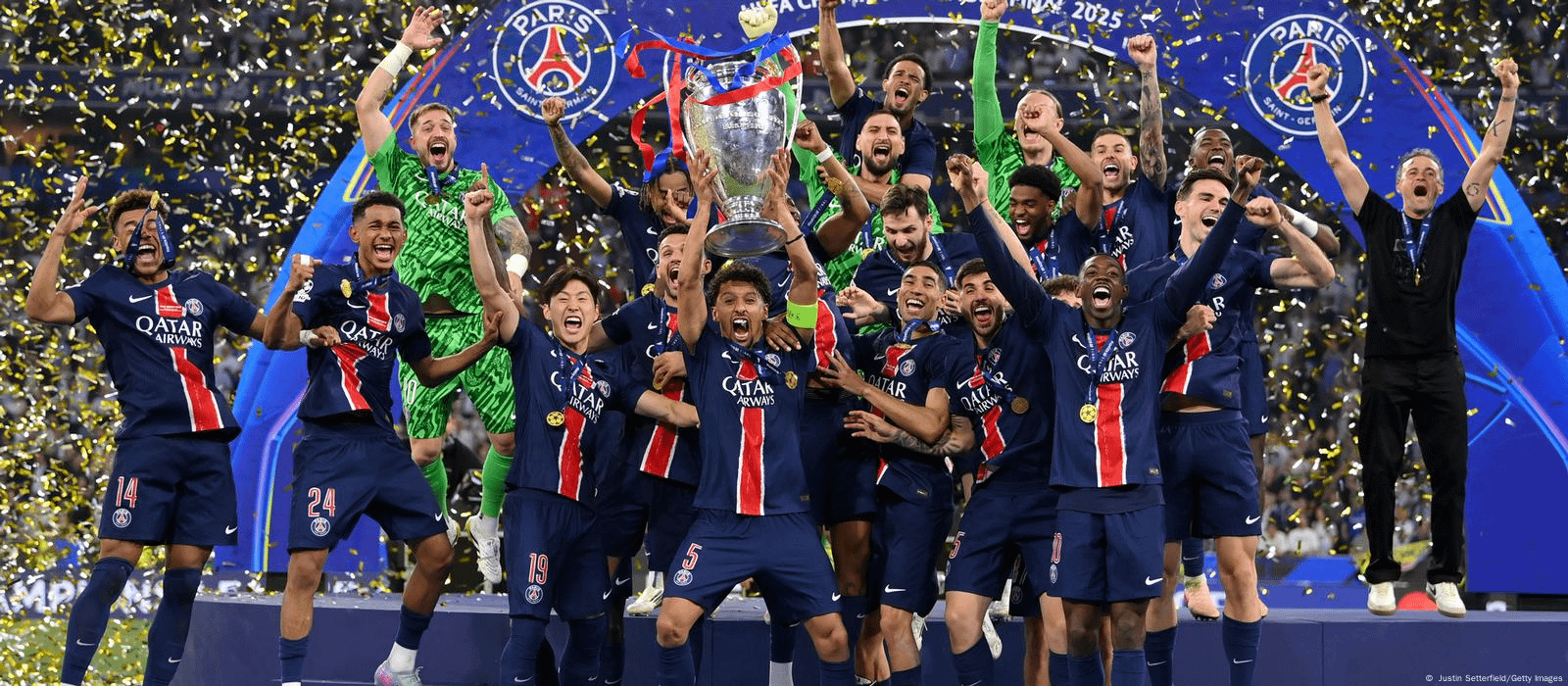
PSG with the Champions League trophy
These tournaments gather huge audiences thanks to the participation of top clubs and world-class players. Finals, especially the UEFA Champions League, attract hundreds of millions of viewers, competing with the world’s biggest sporting events.
Examples: UEFA Champions League, UEFA Europa League, UEFA Conference League.
Non-European international club tournaments
Outside of Europe, there are local versions of the Champions League. Betting on these events draws high interest among fans who follow expert betting content.
Region | Tournament name | GEOs for traffic | Participants | Brief description |
Asia | Asian Champions League (AFC Champions League) | Uzbekistan, Kyrgyzstan, Tajikistan, India, Indonesia, Bangladesh, Thailand, Cambodia, Sri Lanka, Pakistan, Malaysia, Philippines, South Korea, Japan, Vietnam, Qatar, UAE | Clubs from Asian countries such as Japan, South Korea, China, and Saudi Arabia | The format is similar to the European version, consisting of a group stage and playoffs |
South America | Copa Libertadores | Argentina, Brazil, Chile, Venezuela, Colombia, Ecuador, Bolivia | Teams from Brazil, Argentina, Uruguay, and other countries | The premier club tournament in South America. It is highly popular in the region with a rich history, though it has less global reach than the UEFA Champions League |
Africa | CAF Champions League | Egypt, Ivory Coast, Cameroon, Burkina Faso, Kenya, Senegal, Uganda, Ghana, Benin, Togo, Tanzania, Rwanda, DR Congo, Zambia, Nigeria, Niger | Clubs from Egypt, Morocco, South Africa, and other countries | Organized by the Confederation of African Football. It has lower media coverage due to limited infrastructure and smaller sponsorship deals |
North and Central America | CONCACAF Champions League | Mexico, Costa Rica, Canada, Guatemala | Clubs from the USA, Mexico, Canada, and the Caribbean | Smaller in scale than the European league, but highly valued by North American fans. It is growing rapidly due to heavy football investments in the USA |
Global level | FIFA Club World Cup | All GEOs | Winners of continental leagues and top-ranked clubs. Selection criteria are set by FIFA | A global tournament featuring winners from every continent. It is held annually, though its media and commercial potential is currently lower than that of the Champions League |
Audience profile
Gender
Men make up the majority of the audience: 65–75% of the total viewership. In the UAE Pro League, this figure reaches 80%. The female audience shows the most interest in the Premier League and MLS, while women’s football is particularly popular in Canada.
Age
The average age is 25–40 years old, with a growing share of young fans aged 18–34. In the RPL and the Turkish Süper Lig, the average age is slightly higher, ranging from 30–45 years old.
Interests
- Betting and Fantasy management: the popularity of fantasy leagues (especially in the Premier League, La Liga, and MLS) has created a dedicated segment of fans. These users are deeply immersed in analytics, lineups, injuries, and statistics.
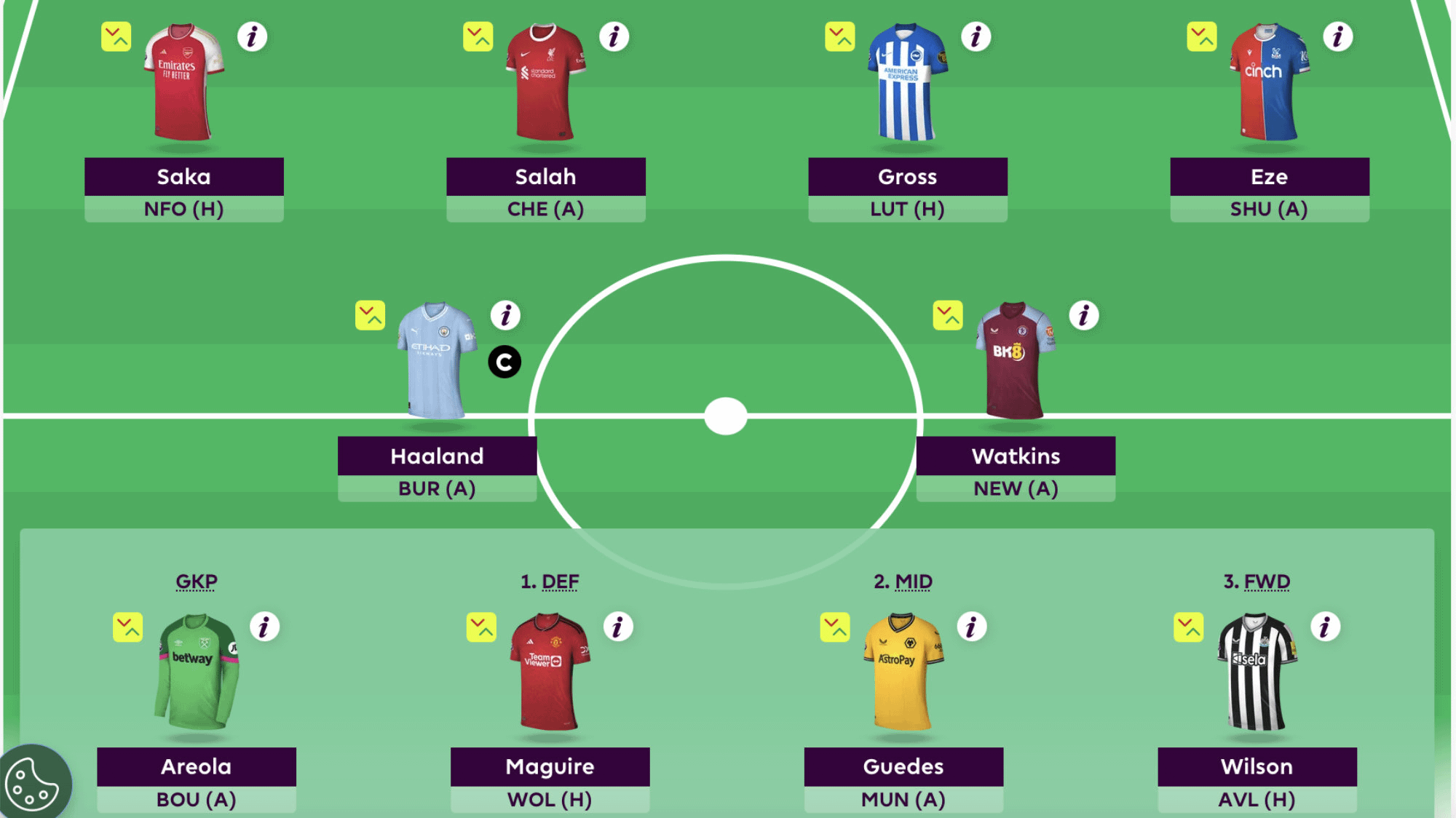
Official Fantasy Premier League (FPL)
- Esports: the EA Sports FC (formerly FIFA) and Football Manager series have iconic status among fans, especially those aged 18–30. Millions of players worldwide don't just play; they watch tournaments, join challenges, and follow pro players and influencers. Ultimate Team pack openings have become a standalone content genre on YouTube and TikTok.
- Fashion and lifestyle: football culture has long moved beyond the stadiums, influencing fashion, style, and everyday life. Sneakers, hoodies, collectible jerseys, capsule drops from Adidas, Nike, and Puma, and collaborations with brands like Dior, Stella McCartney, and Balenciaga all appeal to younger fans. Lifestyle content focusing on players' style, outfits, and trends consistently sees high engagement on social media.
- Iconic players: Messi and Ronaldo remain massive traffic magnets. Their rivalry is an eternal topic for discussions and memes. Meanwhile, young stars like Kylian Mbappé, Erling Haaland, or Lamine Yamal are not just athletes, but global influencers. Fans follow their lives, quotes, relationships, and social media posts. When working with specific GEOs, it is crucial to know local stars playing for major clubs. Examples: Jordan Ayew, Thomas Partey (Ghana), Robert Lewandowski (Poland), Aleksandr Golovin, Matvei Safonov (Russia), Salomón Rondón (Venezuela).
- Media and football docuseries: modern fans are highly engaged with football documentaries and reality shows. The "All or Nothing" anthology (featuring Manchester City, Arsenal, and Juventus) drew over 10 million viewers per season, while "Beckham" (2023) hit 15 million, and the Bayern Munich series gained 8 million views in just a month. These projects reveal the behind-the-scenes world of football, focusing on emotions and personal dramas. Using clips or fun facts from these shows will highlight your expertise and show your audience a genuine, deep passion for the sport.
- Show culture: media football and entertainment-driven content are major traffic magnets. In Russia, the MFL (Media Football League) attracts millions of views through teams like 2DROTS and Amkal, which feature bloggers, musicians, and celebrities. Covering the MFL or similar show-projects in other GEOs boosts your source's authority and drives high audience activity.
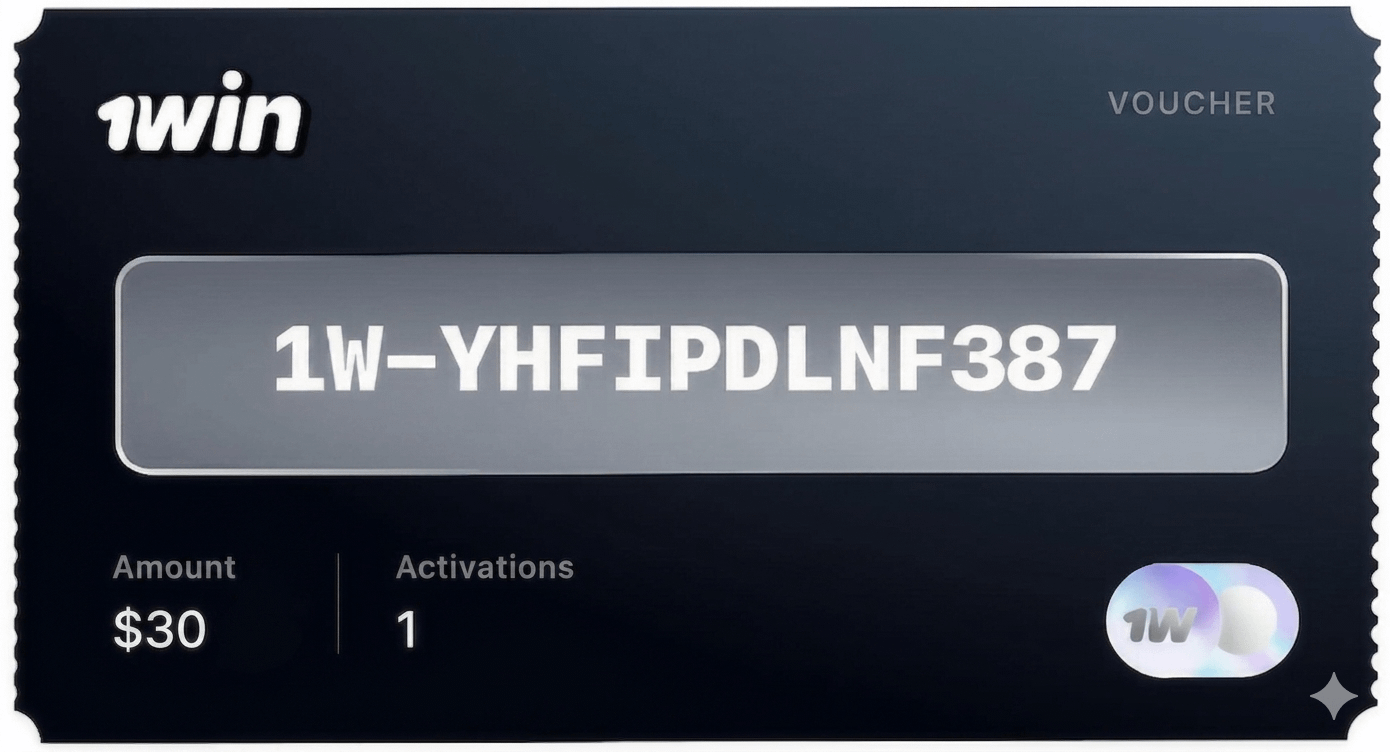
Betcodes and vouchers as conversion drivers
Understanding the audience is vital, but the ultimate goal is conversion. This is where betcodes and vouchers really come into play. For an affiliate, mastering these tools is critical.
Unlike direct advertising, they are perceived as a useful bonus rather than an intrusive offer. This distinction is crucial when dealing with massive football traffic.
In the football niche, these tools are particularly effective due to the high emotional involvement of fans. Following a thrilling match, a major transfer, or a deep analytical preview, the user is already warmed up, making them much more likely to pull the trigger on a bet.
Content strategy
Let’s break down the core football content formats that drive traffic and keep your audience engaged.
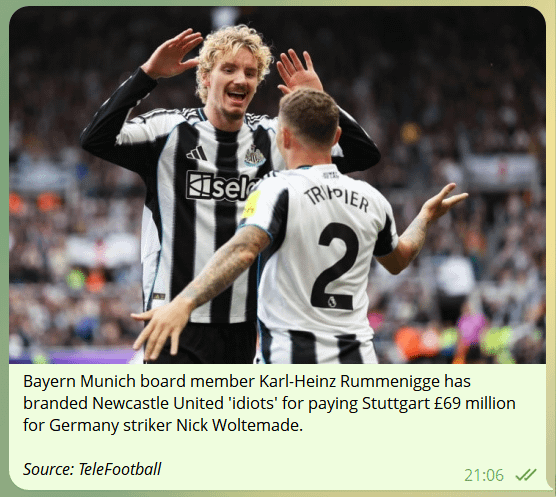
News
What’s included: match results and live text updates, major transfers and rumors, post-match reactions, exclusive interviews with players and experts, and upcoming match previews.
The goal: to keep your platform relevant, retain your core audience, and generate a steady flow of news-driven traffic. Enabling comments and discussions is vital here — it significantly boosts engagement by letting fans share their opinions.
Best-fit sources: Telegram, Instagram, YouTube.
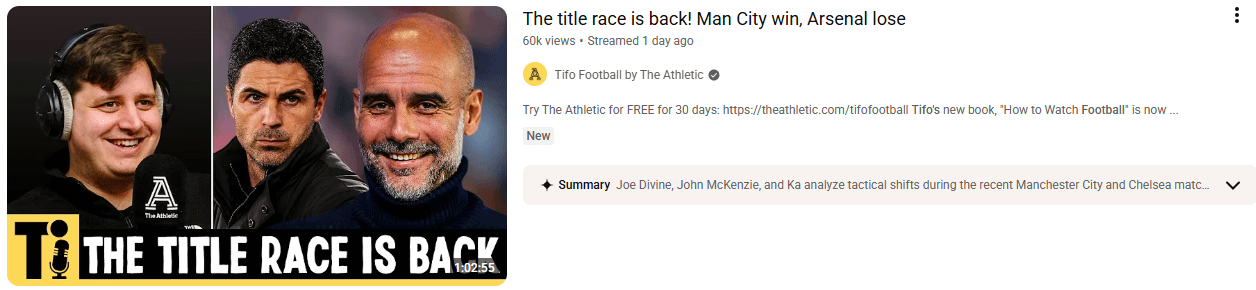
Analytics
What’s included: match breakdowns, tactical analysis, substitution impact, team rankings, and transfer ratings.
The goal: To engage and retain hardcore fans who look for technical nuances and an expert-driven approach to betting.
Best-fit sources: Telegram, YouTube. Overall, analytical content translates well across all mediums, from deep-dive articles to videos and podcasts. The main thing is to give your target audience exactly what they like.
Predictions
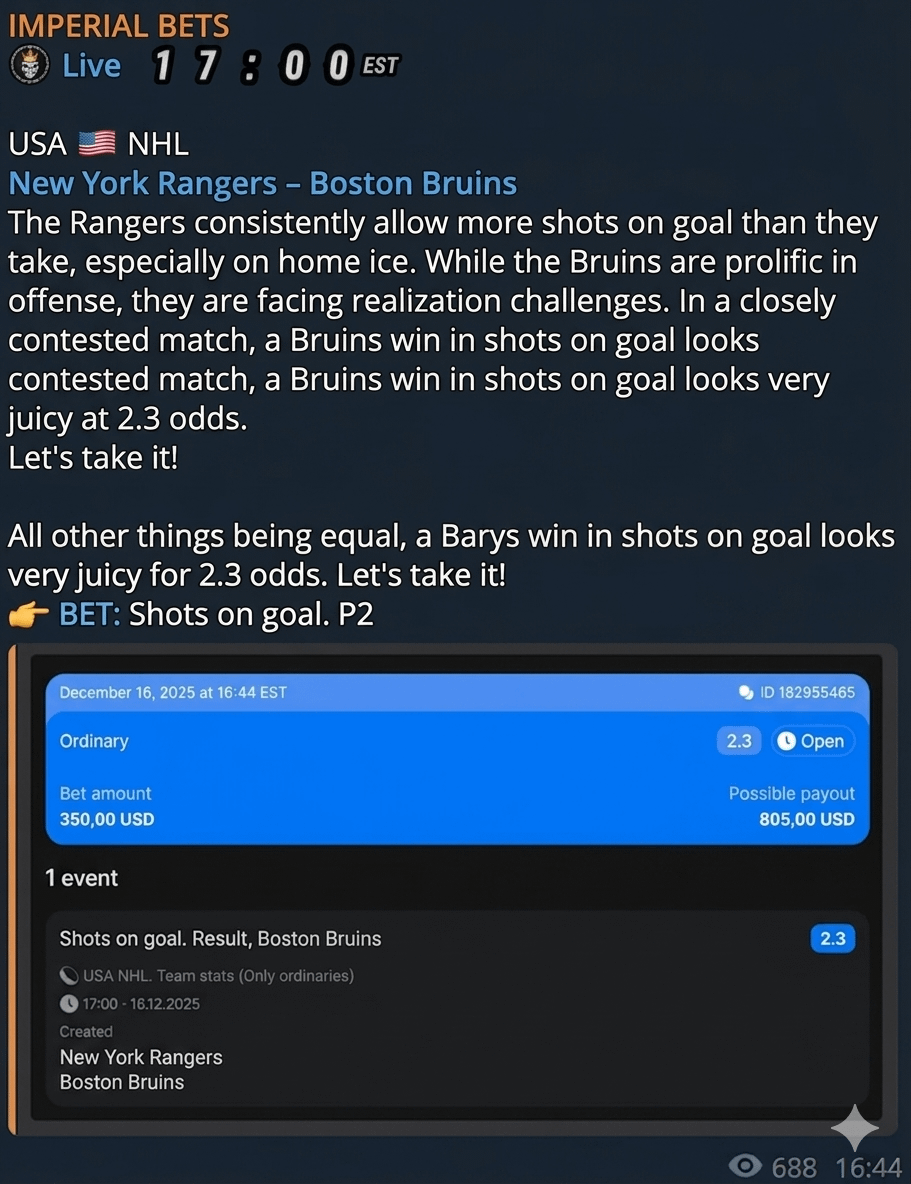
What’s included: predictions for match and tournament outcomes, as well as specific events like corners, free kicks, yellow cards, and penalties. In some cases, predictions can even cover player transfers or manager appointments and sackings.
The goal: to capture the attention of betting-oriented users and motivate them to use a referral link or promo code to place their own bets.
Best-fit sources: Telegram, YouTube, Instagram
Example:
Highlights
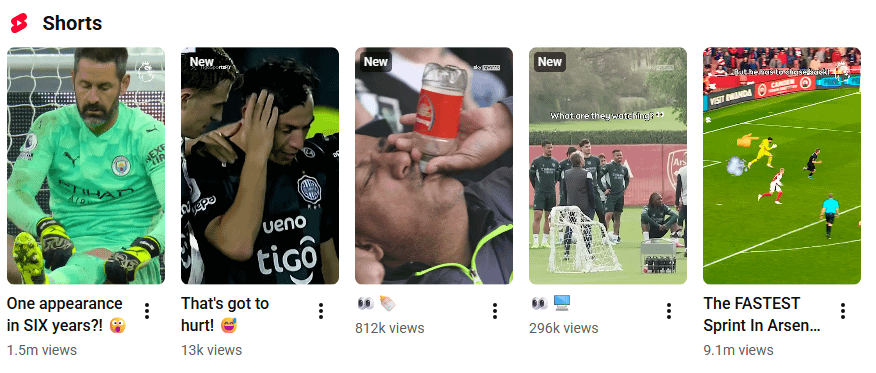
What’s included: spectacular goals, hard fouls, fan performances, and punchy interview quotes are exactly what every sports fan loves, and perfect for the era of short-form content.
The goal: to attract a younger audience and build brand awareness for you and your source through viral content.
Best-fit sources: Instagram (Reels), YouTube (Shorts), TikTok.
Examples:
Historical throwbacks
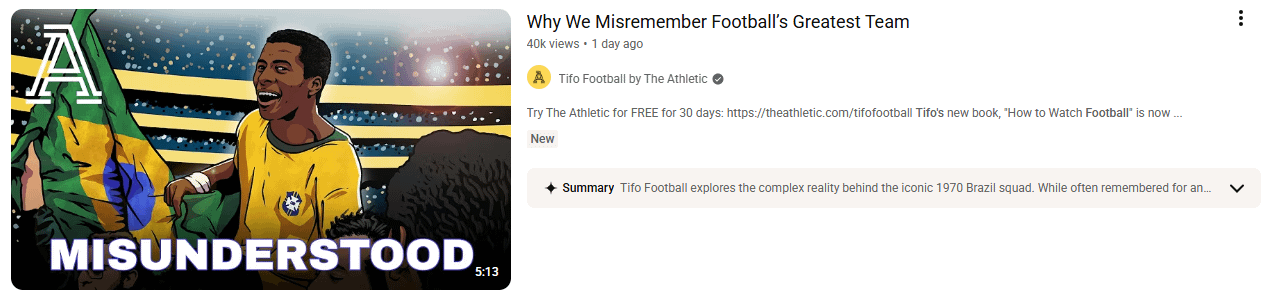
What’s included: reviews of classic matches, comparisons of team and player achievements, and archival photos/videos that add a touch of nostalgia. For example, before the Champions League final, you could review last year’s final and compare how the teams’ paths have changed since then.
The goal: to diversify your feed, especially during slow news days or off-season breaks. This format also allows you to create "evergreen" content that stays relevant and attracts viewers for a long time.
Best-fit sources: YouTube.
Humor and memes
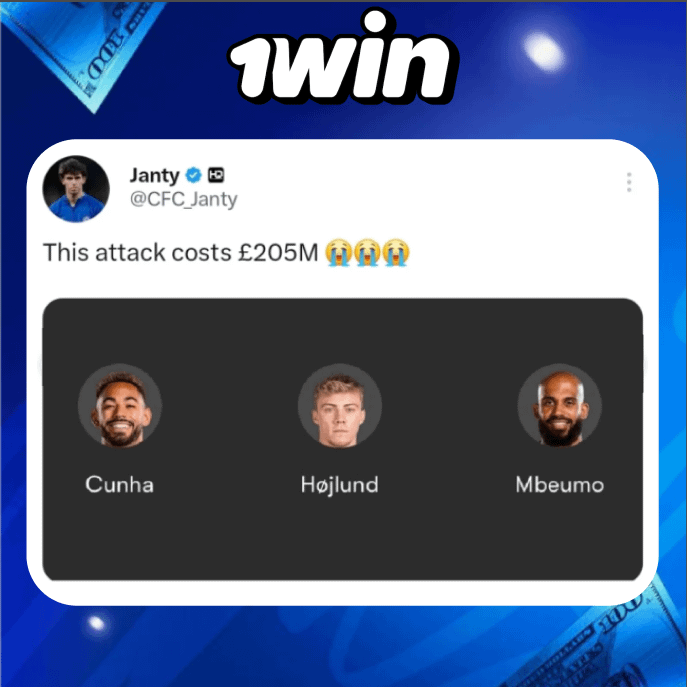
What’s included: memes about trending events, funny match moments, and hilarious quotes from players or managers. It also includes "club banter" based on stereotypes — like jokes about Arsenal always 'bottling' the league, the rivalry between Real Madrid and Barca fans, or the famous "Bald Fraud" memes about Pep Guardiola. Betting-related memes are also very popular; they help normalize betting, turning it into just another form of entertainment.
The goal: to boost brand awareness for you and your platform through viral content.
Best-fit sources: Instagram, Telegram.
Fan pages
What’s included: news and memes dedicated to specific players, clubs, or leagues.
The goal: to build an active, engaged, and loyal audience.
Best-fit sources: Instagram, Telegram.
You’ll find even more practical know-how, plus the most important industry news and insights in our Telegram channel.


You can also read

How to Adapt Football Creatives for Brazilian Audiences
How to Adapt Football Creatives for Brazilian Audiences
31 August 2026
7.5K
 53
53
Traffic in Chile: How to Build a Funnel That Converts All the Way to FTD
Traffic in Chile: How to Build a Funnel That Converts All the Way to FTD
21 August 2026
10.6K
8
From Testing to Scale: A Traffic Launch System for iGaming
A step-by-step system for launching iGaming traffic: calculate your target FTD cost, test campaigns, cut weak setups, and scale profitable ones.
12 August 2026
7.1K
 2
2